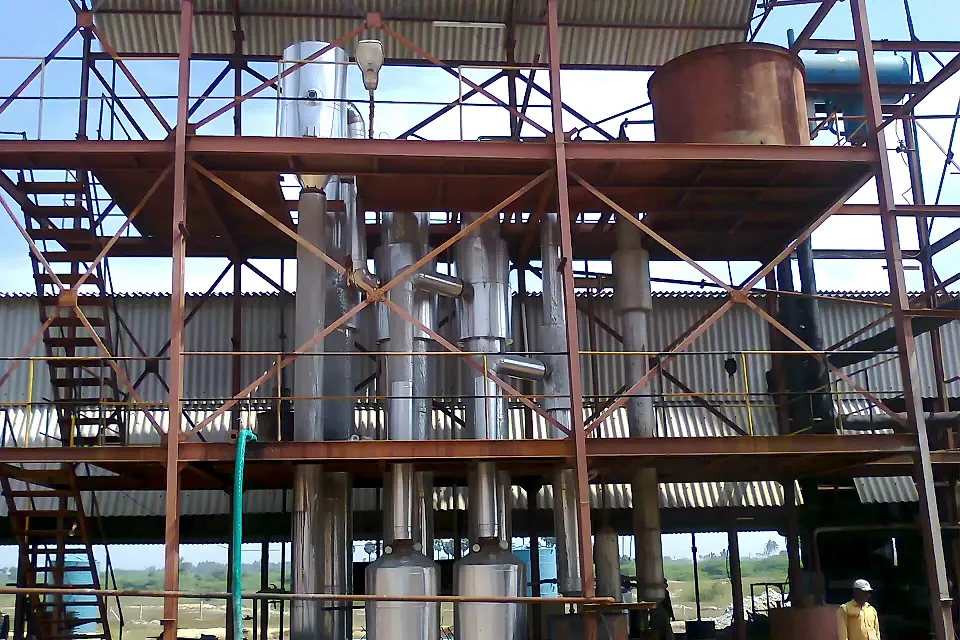
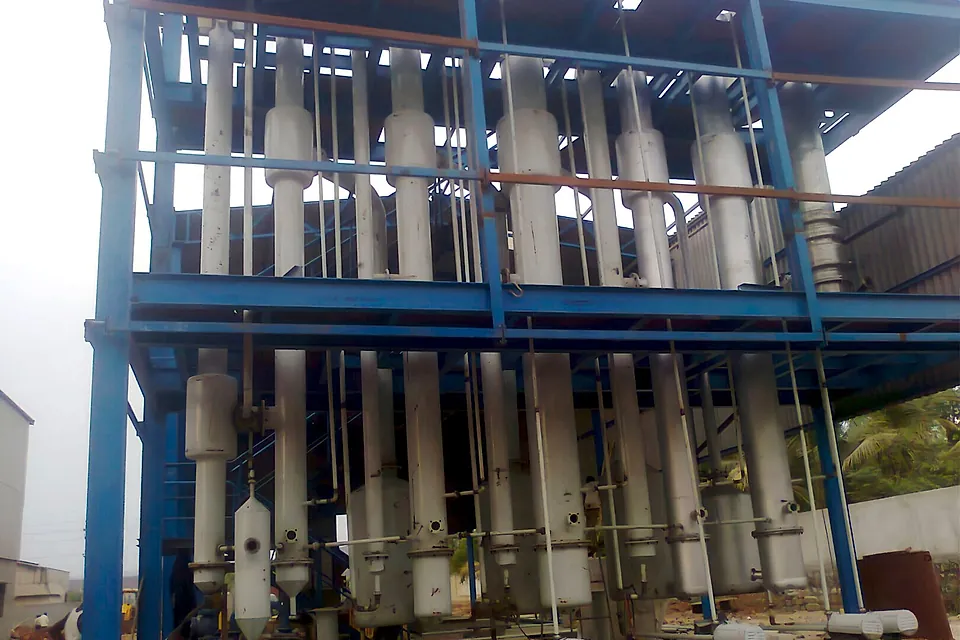
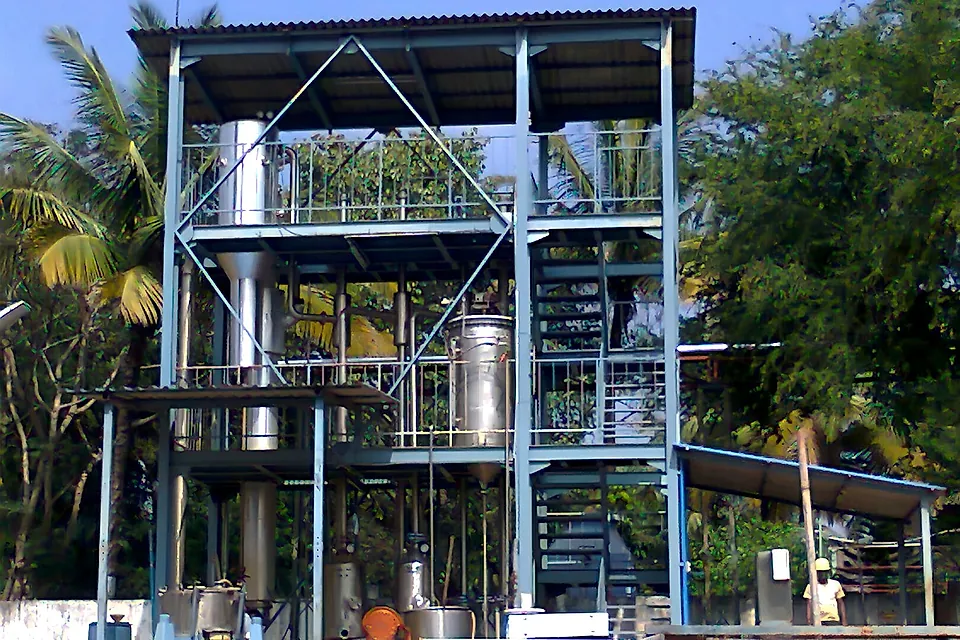
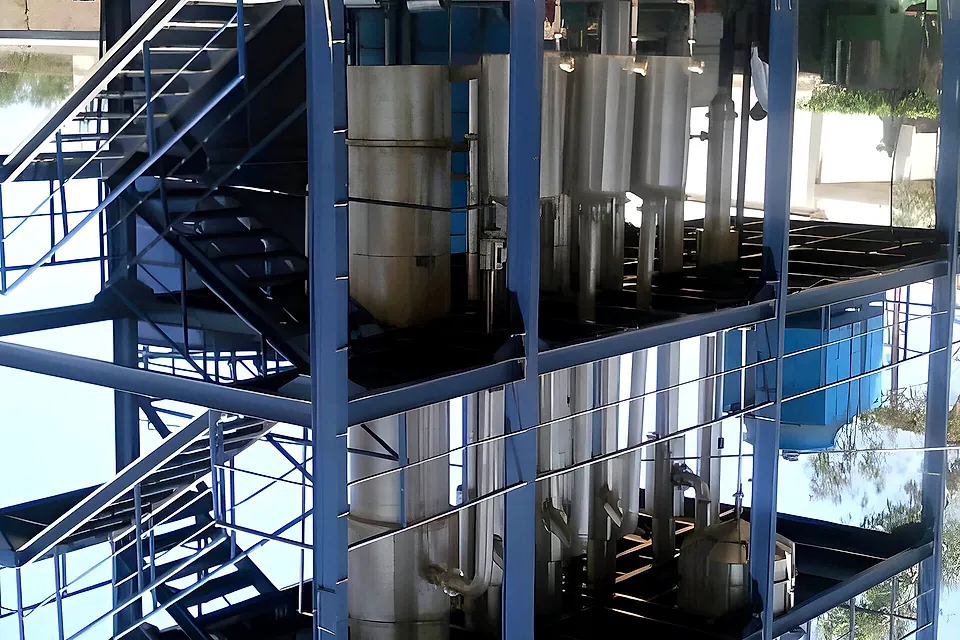
Forced circulation evaporator manufacturer since 2000 · ISO 9001:2015 certifiedFor liquids that scale, crystallize or thickenDesign, supply, installation and maintenance from one team

Forced CirculationEvaporators by Acmefil

Forced Circulation Evaporator Selection Guide

Is forced circulation right for your liquid, or falling film, natural circulation, multi-effect or an ATFD? Three questions give you a starting point.

  • 24+Years of engineering
  • 7steps round the circulation loop
  • 5evaporator types we build and compare
  • ISO9001:2015 certified

Evaporator finder

Is forced circulation right for your liquid?

Three quick questions for a starting point. If another evaporator, or more than an evaporator, is the answer, the finder says so.

1 · What is the liquid like?
2 · What matters most?
3 · How big is the duty?
Recommended starting point

Forced circulation evaporators

Typical use:

General guidance only – the final choice depends on the feed, its viscosity, solids and fouling, the concentration you need and your steam and power. Our engineers confirm it on your process data.

Compare

Forced circulation side by side with the others

How the circulation, velocity, scaling behaviour and footprint differ.

Forced circulationFalling filmNatural circulationMulti-effectATFD
Best forLiquids that scale, foul, crystallize or are viscousClean, free-flowing, heat-sensitive liquidsClean, low-viscosity liquids that do not scaleLarge volumes of water-based liquids and effluentThick concentrates and slurries that must become dry solids
How it worksA pump circulates the liquid through the heater; it flashes in the separator and recirculatesA thin film flows down inside vertical heated tubes under gravityDensity difference from heating drives the liquid round the tubes, no pumpVapor from one effect is the heating medium of the next effect, which runs at lower pressureRotor blades spread the feed as a thin film on a heated wall
Liquid velocityHigh, set by the pumpLow, set by gravityLow, set by the boilingDepends on the effect typeMechanical, set by the rotor
Scaling and viscosityPrevents deposits on the tubes; handles higher viscosity and solidsLittle fouling on clean liquids; not for scaling or viscous feedsNot suited to scaling or viscous liquidsForced circulation effects handle scaling and crystallizing liquidsHandles very high viscosity and solids
Heat sensitivityModerateWell suited, gentle heat and short residence timeModerateDepends on the effect typeShort contact time
FootprintHeater, separator and circulation pumpTall, verticalCompact calandria and bodySeveral vessels in seriesCompact, vertical
Main limitPump power and pump maintenanceTubes can foul with scaling or crystallizing liquidsCirculation slows as the liquid thickensHigher capital cost, justified by steam savings on large dutiesHeated area limits capacity
Typical useEffluent and ZLD, crystallization, brine, chemicals, food and pharma concentratesDairy and food, pharmaceuticals, pre-concentration before a forced circulation finisherSugar juice, salt solutions, simple concentration dutiesEffluent and ZLD, brine, juice concentration, chemical liquorsZLD final drying, effluent salts, solvent recovery

Typical behaviour from industry practice; your liquid sets the real answer – use the finder or send us your process data.

Forced circulation and its neighbours

Forced circulation first, and what works beside it

Forced circulation handles the hard liquids. Falling film and natural circulation suit cleaner ones, and multi-effect plants and ATFDs often work together with it.

Selection guide

Eight things that decide the evaporator

Know these before you ask for a quote – they are what our engineers ask first.

Feed and concentrate

The feed concentration and the concentration you need set how much water has to be evaporated per hour – the real size of the plant.

Scaling and crystallizing

The main reason to choose forced circulation. Salts, hardness or a product that crystallizes would foul a film evaporator; high liquid velocity keeps the tubes clean.

Viscosity and solids

Thick liquids and slurries do not form a good film. The pump keeps them moving through the heater, so forced circulation handles higher viscosity.

Heat sensitivity

Colour, flavour or activity at risk? Vacuum lowers the boiling temperature, and a falling film pre-concentrator can do the first part gently.

Crystals or a clear concentrate

Do you want crystals out, or a concentrated liquid? Crystallizing duties need a separator and a slurry draw-off sized for the crystals.

Steam and energy

On large duties steam dominates the running cost. Forced circulation effects can run in a multi-effect plant to reuse the vapor.

Utilities

Steam or hot water, cooling water, vacuum and power – each changes the layout and the running cost.

Materials of construction

Chlorides, acids and abrasive crystals decide the alloy of the tubes, separator and pump. Effluent and brine often need higher alloys.

Forced circulation evaporator: a pump drives the liquid through the heater and into the vessel, where it flashes into vaporCirculation pumpSteamVaporFeedConcentrate
FeedSteamVaporConcentrate

Quote checklist

What to send for a quote

The more you share, the sharper the recommendation. A lab report or a sample description helps most.

  • The liquid and its feed concentration (TDS or solids)
  • The concentration you need, or whether you want crystals, and the flow in kg/hr or m3/day
  • What scales or crystallizes out, viscosity and suspended solids
  • Heat sensitivity and the highest temperature it can take
  • Chlorides, acids or other corrosive components
  • Steam, cooling water, vacuum and power available
  • Site location and space

Free proposal

Not sure which evaporator? Send us your liquid.

Tell us the liquid, the feed and target concentration and the flow. We recommend the evaporator and send a budget quote.

Secure form · we never share your details · reply within one working day

Call WhatsApp Get a Quote