Forced circulation evaporator manufacturer since 2000 · ISO 9001:2015 certifiedFor liquids that scale, crystallize or thickenDesign, supply, installation and maintenance from one team

Forced CirculationEvaporators by Acmefil

Acmefil · forced circulation evaporators since 2000

Forced circulation evaporators for liquids that scale and crystallize

A pump drives the liquid through the heater at high velocity, so the tubes stay clean while the water is removed. For effluent, ZLD, brine, crystals and viscous concentrates, designed around your liquid and built by Acmefil in Ahmedabad.

  • ISO 9001:2015 certified manufacturer
  • Effluent, ZLD, crystallization and chemical duties
  • Design, supply, installation and maintenance
Animated forced circulation evaporator: a pump drives the liquid up through the steam-heated tubes into the separator, where it flashes; vapor goes to the condenser, the concentrate falls back to the pump, feed joins the loop and a bleed takes out concentrate or crystalsHeaterSeparator(flash vessel)Circulation pumpHigh-velocity loopDemisterSteamCondensateVapor to condenserFeedConcentrate / crystals
FeedSteamVaporConcentrate

Live 3D model · drag to rotate

24+Years of engineering
7steps round the circulation loop
5evaporator types we build and compare
ISO9001:2015 certified

Trusted by manufacturers of chemicals, pigments, agrochemicals and more

  • Deepak Nitrite
  • IndianOil
  • HPCL
  • GSFC
  • Patanjali
  • Meghmani
  • Tagros
  • Gujarat Ambuja Exports
  • Varmora
  • Vega Chemicals, Jalgaon
  • K. Patel Chemopharma
  • KR Shrilaxmi Deals
  • Bhavani Industries
  • Mayur Dye-Chem
  • Jay Chem
  • Amazon Spices
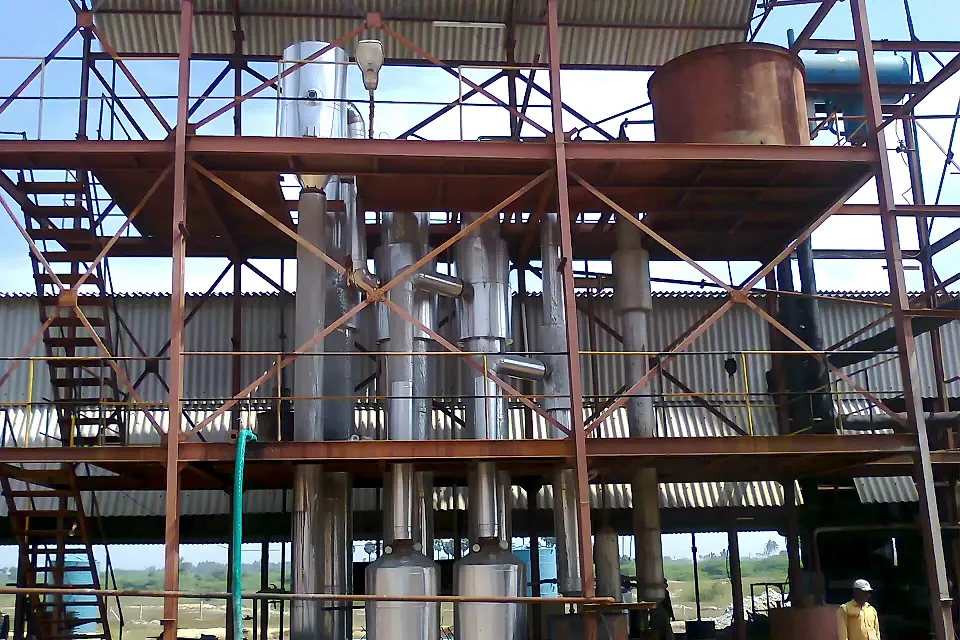
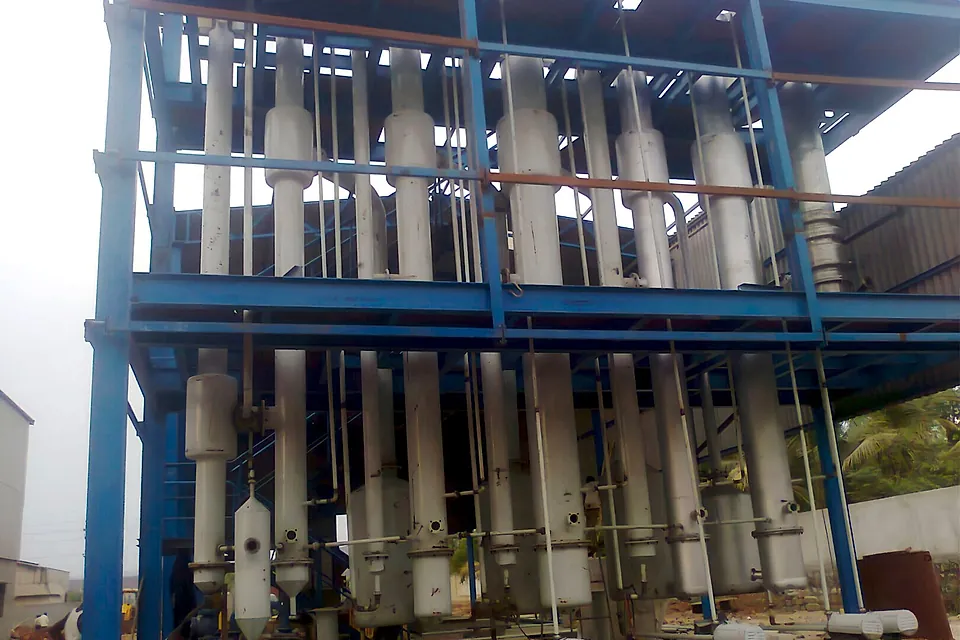
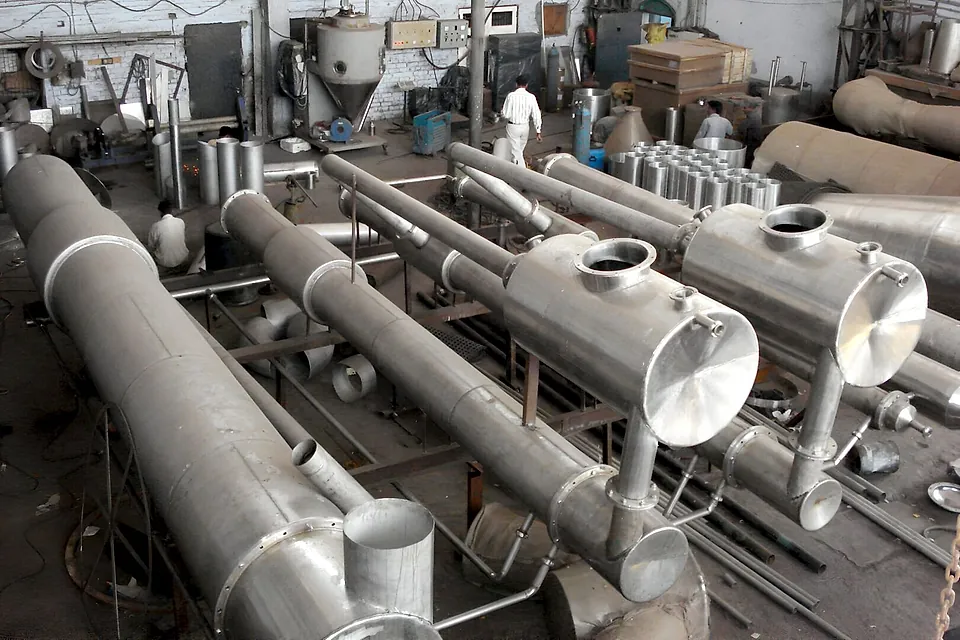
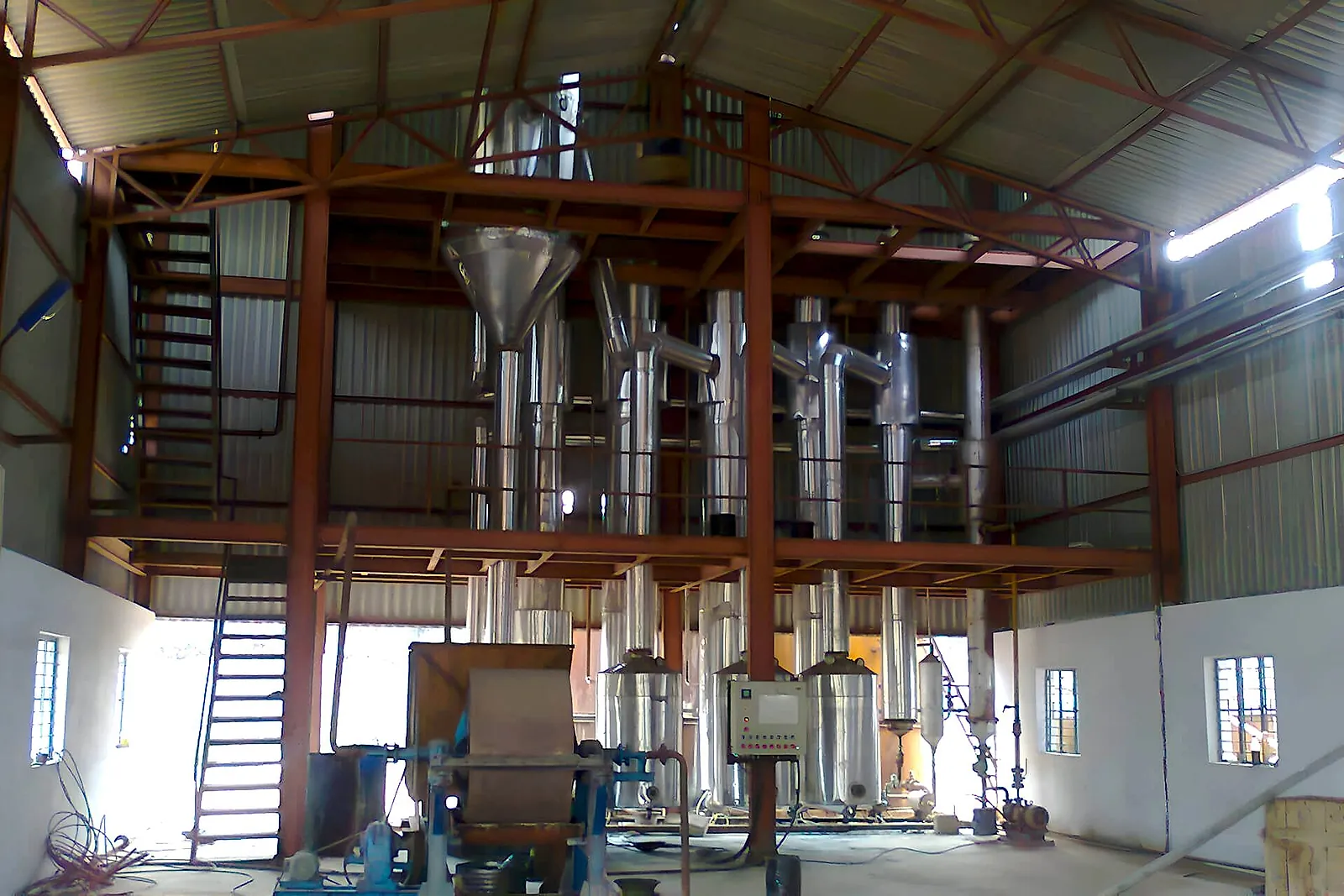
Acmefil forced circulation evaporator: separators, heaters and circulation lines

What is a forced circulation evaporator?

A pump that keeps the tubes clean

A forced circulation evaporator uses a pump to drive the liquid through the tubes of a heat exchanger at high velocity. The liquid heats under pressure without boiling on the tube wall, then flashes into vapor as it enters the separator.

The concentrated liquid falls back to the pump and goes round again until it reaches the concentration you need. Because the flow never slows down on the heating surface, deposits do not build up, which is why forced circulation is the choice for liquids that scale, foul, crystallize or are viscous.

  • Prevents scaling on the heater tubes
  • Uniform heating and high heat transfer
  • Handles viscous liquids, solids and crystals
  • Designed around your liquid, built in Ahmedabad

How it works

Watch the loop concentrate the liquid

Feed in, vapor and concentrate out. The first tab is the forced circulation evaporator; the others show how its neighbours differ.

Forced circulation evaporator: a pump drives the liquid through the heater and into the vessel, where it flashes into vaporCirculation pumpSteamVaporFeedConcentrate
FeedSteamVaporConcentrate

Acmefil

Forced circulation evaporators

  1. A pump drives the liquid up through the heater tubes at high velocity, so deposits cannot settle.
  2. Steam heats the tubes; the liquid is held under pressure so it heats without boiling on the wall.
  3. In the separator the pressure drops and part of the water flashes into vapor; the concentrate falls back to the pump.
  4. A bleed takes out the concentrate or crystal slurry while fresh feed joins the loop.
  • Scaling & crystallizing liquids
  • Viscous feeds
  • Effluent & ZLD

Typical use: Effluent and ZLD, crystallization, brine, chemicals, food and pharma concentrates

Seven steps

Round the loop in seven steps

What happens inside a forced circulation evaporator, in the order it happens.

  1. 1

    Feed into the loop

    Fresh feed enters the circulation loop, usually just before the pump, and mixes with the liquid already circulating.

  2. 2

    Forced circulation

    A large-flow pump drives the liquid up through the heater tubes at high velocity, which keeps the heating surface swept clean.

  3. 3

    Heating under pressure

    Steam condenses on the outside of the tubes. The liquid inside is held under enough pressure that it heats up without boiling on the tube wall.

  4. 4

    Flashing in the separator

    As the hot liquid enters the separator the pressure drops and part of the water flashes into vapor.

  5. 5

    Vapor-liquid separation

    The vapor rises through a demister that removes droplets; the concentrated liquid falls back to the bottom of the separator.

  6. 6

    Recirculation and draw-off

    The liquid goes round again until it reaches the target concentration. A bleed takes out the concentrate or crystal slurry continuously.

  7. 7

    Condensation

    The vapor is condensed under vacuum, so the water is recovered, or it heats the next effect in a multi-effect plant.

Parts of the plant

What a forced circulation evaporator is built from

Every part is sized for your liquid, from the circulation pump to the controls.

Circulation pump

A large-flow pump drives the liquid round the loop at high velocity, so the heater tubes stay clean. The heart of the plant.

Heater (heat exchanger)

Tubes heated from the outside by steam. The liquid is kept under enough pressure inside the tubes that it heats without boiling on the tube wall.

Separator (flash vessel)

The heated liquid flashes as it enters the separator. Vapor leaves the top; the concentrate falls back into the loop.

Demister

An entrainment separator that removes liquid droplets so only pure vapor leaves the unit.

Condenser

Condenses the vapor so the water or solvent can be recovered and reused, or disposed of.

Concentrate or crystal draw-off

A bleed from the loop takes out the concentrate or the crystal slurry as fresh feed comes in, holding the concentration steady.

Controls

Advanced controls regulate the feed rate, heating temperature and vacuum to hold efficiency and product quality.

Vacuum system

Lowers the boiling temperature, which helps heat-sensitive liquids and lets the vapor heat the next effect.

Evaporator finder

Is forced circulation right for your liquid?

Three quick questions for a starting point. If another evaporator, or more than an evaporator, is the answer, the finder says so.

1 · What is the liquid like?
2 · What matters most?
3 · How big is the duty?
Recommended starting point

Forced circulation evaporators

Typical use:

General guidance only – the final choice depends on the feed, its viscosity, solids and fouling, the concentration you need and your steam and power. Our engineers confirm it on your process data.

Forced circulation and its neighbours

Forced circulation first, and what works beside it

Forced circulation handles the hard liquids. Falling film and natural circulation suit cleaner ones, and multi-effect plants and ATFDs often work together with it.

Our works

Designed, built and tested in our own works

Every Acmefil plant is fabricated and checked in our Vatva GIDC works in Ahmedabad before it ships.
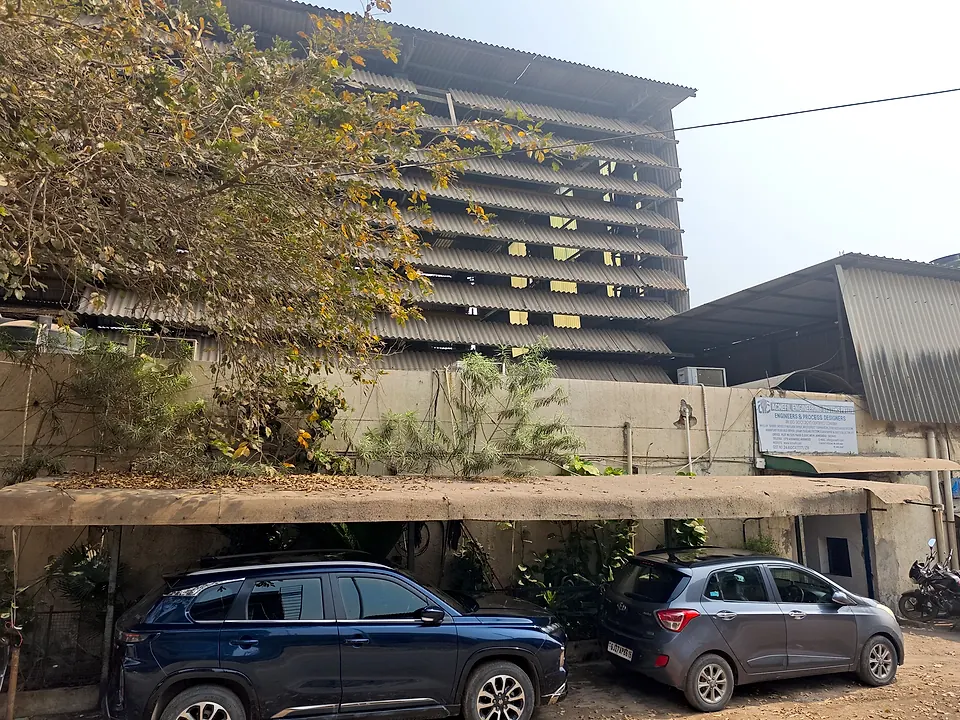
Acmefil Engineering Systems works at Vatva GIDC, Ahmedabad
Our works at Vatva GIDC, Ahmedabad
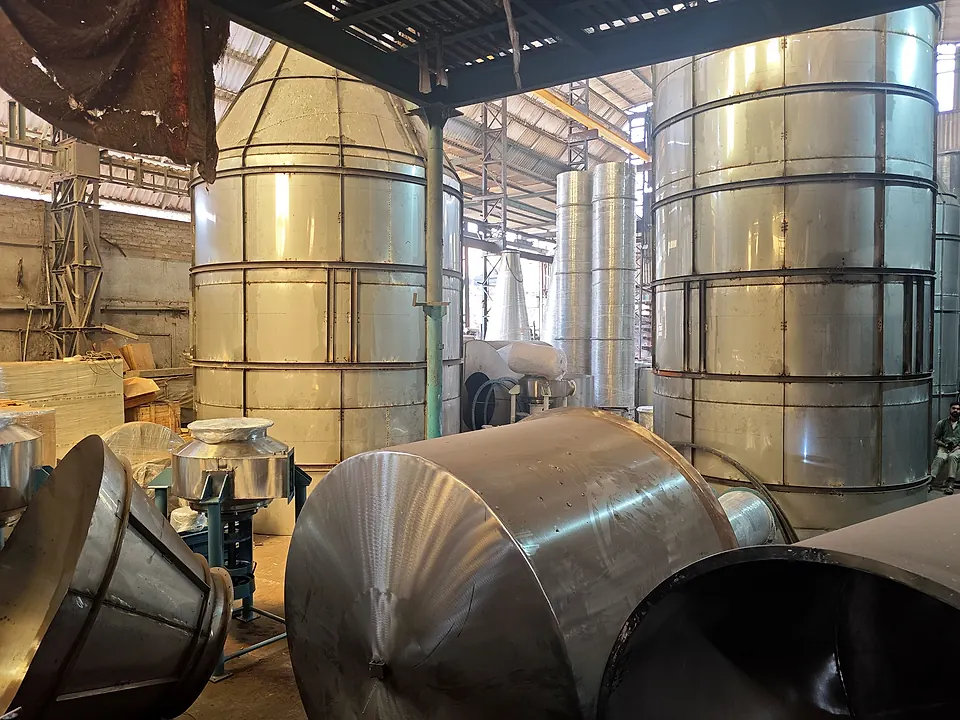
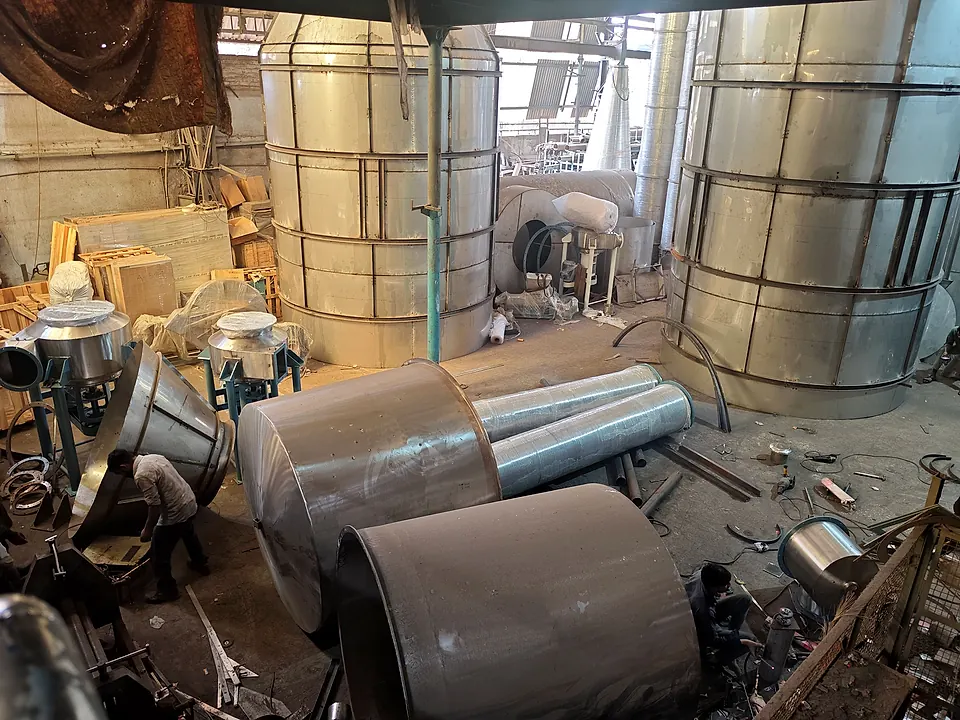
Spray drying chambers and cyclones being fabricated in the Acmefil workshop
Drying chambers and cyclones in fabrication
Chambers, cones and ducting in fabrication

Why Acmefil

Engineering you can concentrate on

  • Since 2000 – more than two decades designing and building evaporators, dryers and concentrating plants in Ahmedabad.
  • Forced circulation done properly – circulation rate, tube velocity and separator size worked out for your liquid, so the tubes stay clean and the plant keeps running.
  • Designed around your liquid – heater, pump, separator, materials and utilities tailored to your feed.
  • ISO 9001:2015 quality – strict control from raw-material purchase to erection and commissioning.
  • The honest alternative – we build falling film, natural circulation, multi-effect evaporators and ATFDs too, so we recommend what fits, not what we happen to sell.
  • Complete scope – design, supply, installation, commissioning, training and after-sales support from one source, up to zero liquid discharge.
Acmefil forced circulation evaporator: separators, heaters and circulation lines
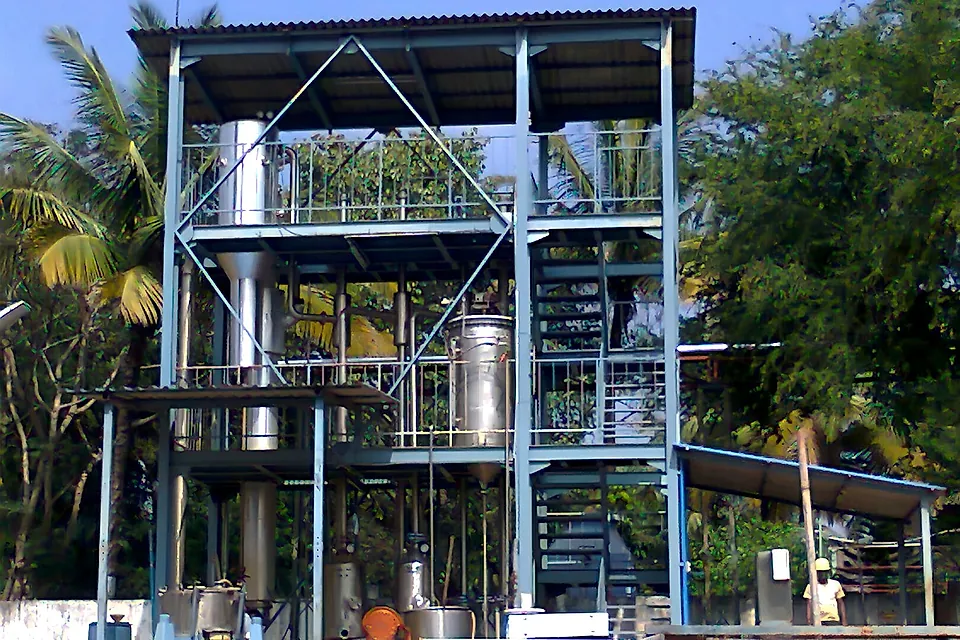
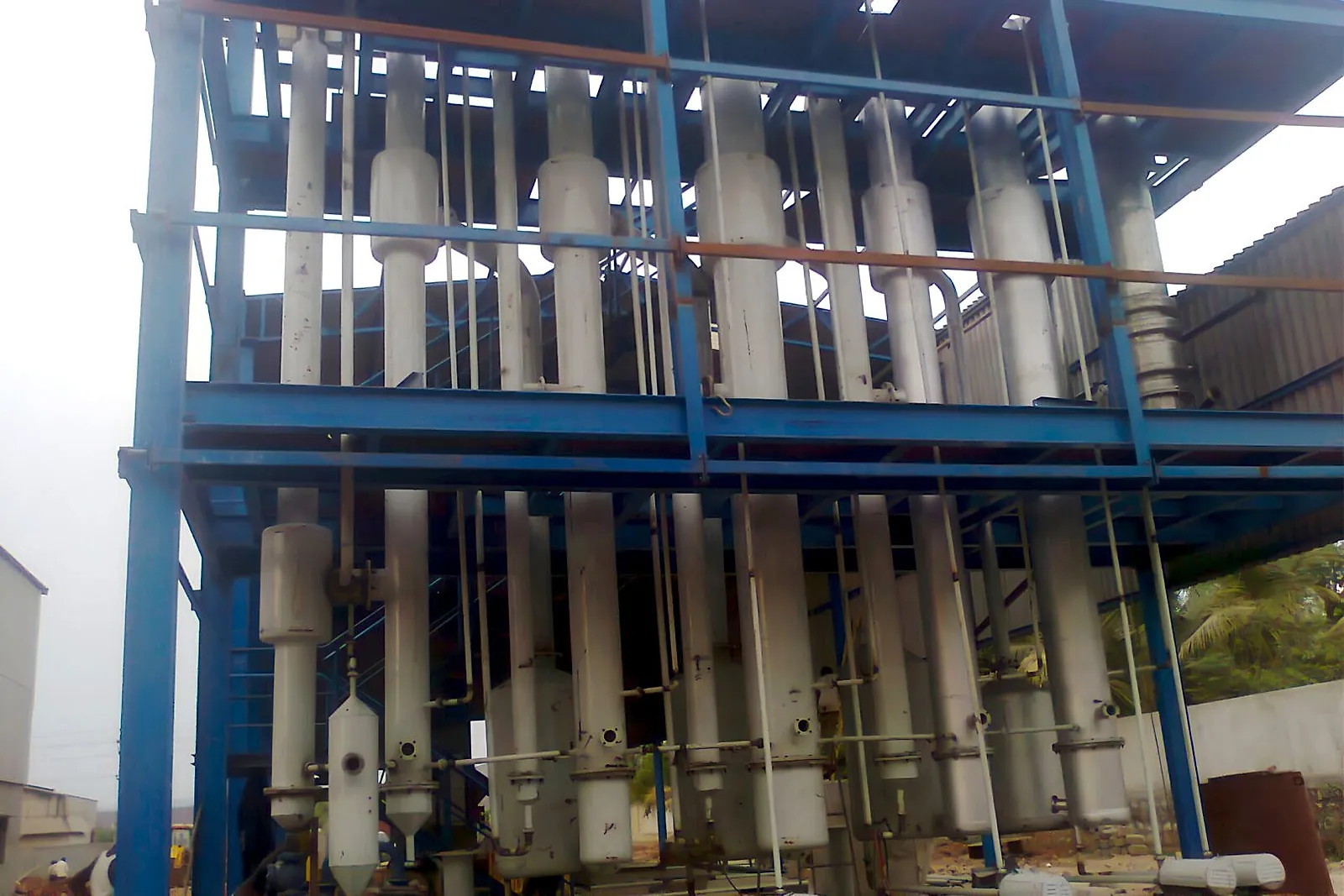
Acmefil multi-effect evaporator with four effects on a steel structure
ACME“the highest point of perfection”

FAQ

Forced circulation evaporators, answered

What is a forced circulation evaporator?

A forced circulation evaporator uses a pump to drive the liquid through the tubes of a heat exchanger at high velocity. The liquid is heated under pressure, so it does not boil on the tube wall. It then flashes in a separator: the vapor leaves the top and the concentrated liquid returns to the pump, round and round, until it reaches the concentration you need. Our step-by-step guide explains each stage; the machines are on acmefil.com.

Why does forced circulation prevent scaling?

The high liquid velocity in the heater tubes sweeps the heating surface, and because the liquid is kept under pressure it heats without boiling on the wall. Boiling and slow flow are what lay down deposits, so a forced circulation evaporator keeps its tubes clean far longer on liquids that scale, foul or crystallize.

Which liquids need a forced circulation evaporator?

Liquids that scale, foul or crystallize, and liquids that are too viscous or carry too many solids to form a good film: industrial effluent in zero liquid discharge plants, brines and salt solutions, chemical liquors, and viscous food and pharmaceutical concentrates. See the crystallization and ZLD guide.

How is forced circulation different from falling film and natural circulation?

In a falling film evaporator the liquid runs down the tubes as a thin film under gravity, which is gentle but fouls with scaling liquids. In a natural circulation evaporator the boiling itself drives the liquid round without a pump, which is simple but slows down as the liquid thickens. In a forced circulation evaporator a pump sets the velocity, so scaling and viscous liquids keep moving. See forced circulation vs falling film vs natural circulation.

Can a forced circulation evaporator produce crystals?

Yes. Forced circulation evaporators are widely used as crystallizers. The liquid is concentrated past saturation in the separator, the crystals grow in the circulating slurry, and a bleed takes the slurry out to a centrifuge or filter. The separator and the draw-off are sized for the crystals you want.

Is forced circulation used in multi-effect and ZLD plants?

Yes. In a multi-effect evaporator the later effects, where the liquid is most concentrated and most likely to scale, are often forced circulation. In a zero liquid discharge plant the forced circulation stage usually sits after the membranes and before an agitated thin film dryer that takes the concentrate to dry solids.

Free proposal

Tell us about your liquid. We will size the forced circulation evaporator.

Share the liquid, the feed and target concentration and the flow. Get a recommendation and a budget quote within one working day.

Secure form · we never share your details · reply within one working day

Call WhatsApp Get a Quote